Desks for Small Apartments
A desk in a small apartment has to earn its floor space. In a 10×10 bedroom or a studio where your workspace shares the room with your bed, the wrong desk blocks walkways, cuts off closet doors, or just makes the room feel smaller than it already is. These guides break down what actually fits — with exact dimensions, honest tradeoffs, and a focus on pieces that work in rooms under 150 square feet. Whether you need a simple writing surface, a standing desk for long work sessions, or a desk that doubles as storage, the goal is the same: find something that does the job without taking over the room.
How to Choose
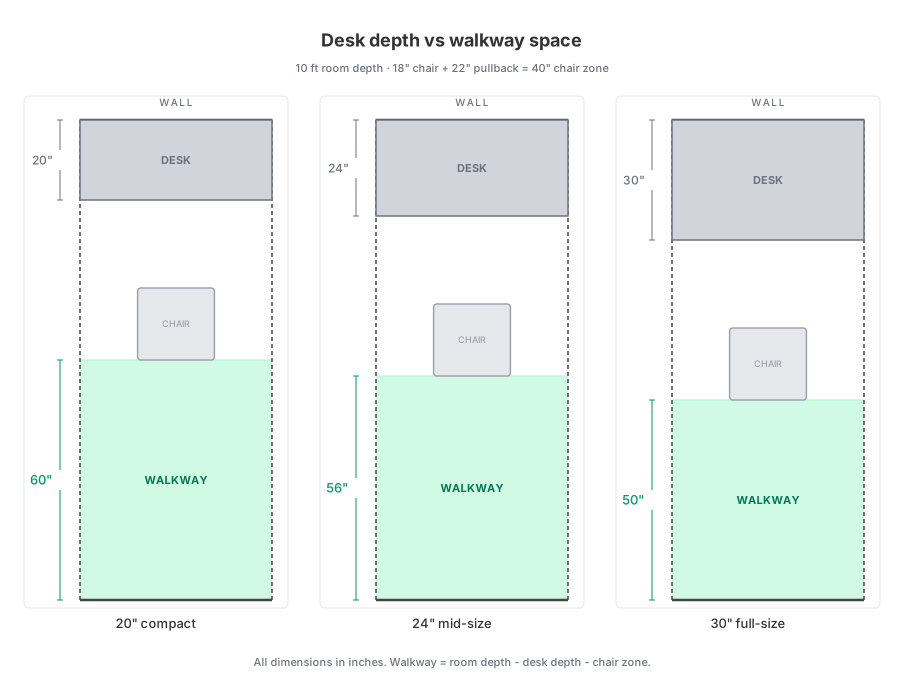
The single most important number when choosing a desk for a small apartment is depth, not width. Depth determines how far the desk sticks into the room, and in a narrow bedroom, every inch matters — a 30-inch-deep desk plus chair pullback can consume half the room. Most apartment-friendly desks stay under 20 inches deep. Width depends on your setup: 32 inches works for a laptop, 40 inches for a monitor and keyboard, and 47+ inches for dual monitors.
The second decision is whether you need the desk to do more than hold a laptop. If you have no other storage in the room, a ladder desk or desk with shelves consolidates two pieces of furniture into one footprint. If you already have a bookshelf or dresser, a simple writing desk keeps things minimal. And if you work from home full-time, a standing desk may be worth the extra depth most motorized frames require — but measure first, because that extra 4–5 inches can be the difference between a walkable room and a cramped one.
Renter-friendliness narrows the options further. Wall-mounted fold-down desks eliminate the footprint problem entirely, but they require drilling into studs — which means landlord approval and patching holes when you move. If your lease restricts wall modifications, stick with freestanding options.
Guides
Best Desk with Drawers for Small Apartments
Shallow desks with drawers that contain work supplies without consuming a narrow apartment walkway.
Best Filing Cabinets for Small Apartments
Slim mobile filers, shallow lateral cabinets, and premium under-desk storage for real document filing without losing floor space.
Best Desk Chairs for Small Apartments
Tuck-under desk chairs for tight spaces: flip-up armrests keep a supported back, with armless and backless picks for the smallest footprints.
Best Desks with Storage for Small Apartments
If you need a desk and shelving but only have room for one piece of furniture, start here. Covers ladder desks, desks with drawers, and vertical storage options that keep your floor footprint small.
Best Desks for Small Apartments
The simplest option: compact writing desks and fold-down wall desks that give you a work surface without eating your floor space. Best if you already have separate storage or just need a place for a laptop.
Best Standing Desks for Small Apartments
Covers both full electric standing desks and desk converters that sit on an existing table. If you work at your desk for long hours and want the option to stand, this guide helps you decide between the two approaches.
Best Wall-Mounted Desks for Small Spaces
Fold-down, fixed floating, and electric sit-stand wall-mounted desks. Best if you want to eliminate the floor footprint entirely — but every option here requires drilling, so check your lease first.
Best Corner Desks for Small Apartments
L-shaped and triangle corner desks from $50 to $120 — for rooms where corners are wasted space. Exact arm and return dimensions, honest footprint tradeoffs.
FAQ
- How deep is too deep for a desk in a small bedroom?
- In a room that is 10 feet wide or less, anything over 24 inches deep starts to cause problems. A 30-inch-deep desk plus a chair with pullback space can eat up nearly 5 feet of room depth, leaving barely enough space to walk past. For most small bedrooms, 20 inches or less is the sweet spot — enough surface for a monitor and keyboard without the chair blocking the walkway when pushed back.
- Should I get a desk with built-in storage or buy them separately?
- It depends on your room. If you only have one wall available for both a desk and shelving, a desk with built-in vertical storage (like a ladder desk) consolidates both into a single footprint. If you have a closet or dresser handling your storage needs, a simple writing desk keeps the setup lighter, cheaper, and easier to move. Buying separately gives you more flexibility but takes more floor space.
- Can I use a wall-mounted desk in a rental apartment?
- Only with your landlord's permission. Wall-mounted desks need to anchor into studs to support weight, which means drilling holes. When you move out, you will need to patch and repaint those spots. Some renters consider it worth the tradeoff because a fold-down desk uses zero floor space when closed. If your lease prohibits wall modifications, freestanding desks are the safer choice.
- Is a standing desk practical in a small apartment?
- It can be, but the main tradeoff is depth. Most electric standing desk frames need at least 24 inches of depth for the motor mechanism, which is 4–5 inches deeper than a typical compact writing desk. In a tight room, that extra depth may matter more than the ergonomic benefit. If you already have a table or counter you like, a desk converter adds sit-stand functionality without replacing your existing furniture or adding depth to the room.